Understanding the Balance of Luck and Skill
In the realm of casino games, the age-old debate between luck and skill continues to spark interest among players, enthusiasts, and analysts. Luck is often characterized as the unpredictable element that can lead to either extraordinary wins or devastating losses, while skill refers to the player’s ability to strategically navigate the rules and nuances of a game. Many players, especially those looking for options like crypto casino instant withdrawal , understand that balancing these aspects is vital for anyone who wishes to approach gambling with a level of seriousness and awareness.
The impact of luck can be seen most clearly in games such as slots or roulette. In these games, outcomes are primarily determined by chance, and even the most experienced players cannot alter the randomness inherent in the system. However, players often cling to the hope that luck will favor them, leading to the belief that a lucky streak can turn the tide in their favor. This reliance on serendipity can make these games appealing to casual players seeking entertainment rather than serious gambling.
Conversely, skill-based games like poker and blackjack require a different approach. In these games, players not only depend on luck for their card draws or dice rolls but also employ strategy and tactics to maximize their chances of winning. This blend creates an environment where experienced players can significantly outperform novices over time. For those looking to improve, honing their skills and understanding the game’s mechanics can make a substantial difference, showcasing that while luck may play a role, skill can lead to consistent success.
Games of Pure Luck
Games primarily driven by luck appeal to a broad audience due to their simplicity and accessibility. Slots, for instance, require no prior knowledge or skill; players simply place their bets and spin the reels. The outcome is purely a matter of chance, leading to an exciting experience where anyone can theoretically hit the jackpot. The illusion of control enhances the allure of these games, as players believe that their decisions—such as which machine to play—could influence the result.
Another example of luck-driven games is the lottery. Players choose numbers in the hope that they will match those drawn at random. The odds are heavily stacked against any individual player; yet the thrill of potentially winning a life-changing sum of money keeps them engaged. Social factors also play a role, as many people enjoy participating in lottery pools, creating camaraderie over shared hopes of winning. This collective excitement can be invigorating and demonstrates the communal aspect of luck-based games.
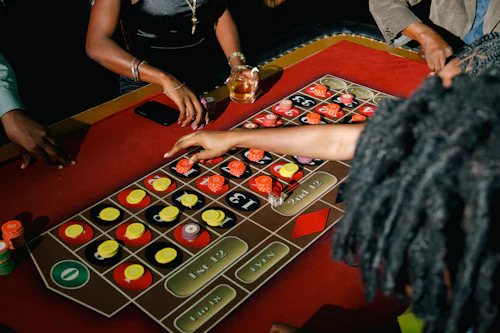
For many, games of pure luck serve as a form of entertainment rather than a serious financial endeavor. They attract those looking for a fun night out or a casual experience without the pressure of skill-based competition. Interestingly, this aspect is what makes them popular in casinos, as these games can attract large crowds, contribute to a vibrant atmosphere, and create memorable experiences for all involved.
Skill-Based Games and Strategy
Skill-based games require players to utilize their knowledge, experience, and psychological acumen to gain an advantage. Poker, perhaps the most iconic example, is not merely a game of chance. Successful players employ tactics such as bluffing, reading opponents, and managing their bankrolls effectively. The depth of strategy involved can create an intense environment where skill ultimately prevails over luck in the long run, allowing seasoned players to capitalize on their expertise.
In blackjack, understanding the odds of drawing certain cards and making calculated decisions on when to hit or stand significantly alters the player’s chances of winning. Card counting, a strategy employed by skilled players, can shift the odds in their favor, demonstrating how a deep understanding of the game can have tangible effects. Such skills require time and practice to master, making these games attractive to those who relish challenges and enjoy the mental engagement they provide.
Furthermore, the community aspect of skill-based games fosters a competitive environment. Players often gather at tables, engaging in friendly banter or serious competition, which can heighten the overall experience. Tournaments and competitions add another layer, allowing players to showcase their skills and compete for substantial prizes. The personal investment in developing these skills can lead to a sense of accomplishment, one that cannot be replicated in games of pure chance, thus creating a unique bond among players.
The Psychological Aspect of Gaming
The interplay between luck and skill in casino games extends beyond mere mechanics; it significantly influences players’ psychological experiences. Players who rely on luck may experience a rollercoaster of emotions, fluctuating between hope and disappointment as they await outcomes driven by chance. This unpredictability can lead to a gambling phenomenon known as the “gambler’s fallacy,” where players believe that previous outcomes affect future results, often leading to poor decision-making.

On the other hand, skill-based players often maintain a sense of control over their outcomes, relying on their expertise to guide decisions. This can build confidence but also lead to overconfidence, where players might underestimate the role luck still plays. Recognizing the balance between confidence in one’s skills and the unpredictable nature of luck can be crucial for long-term success in gambling, helping players to avoid common pitfalls associated with gambling addiction.
Moreover, the psychological thrill of winning—whether through luck or skill—plays a significant role in the appeal of casino games. The dopamine release associated with wins can lead to repeated play, making it essential for players to understand their motivations behind gambling. By acknowledging the psychological factors at play, individuals can make informed decisions and approach their gaming experiences more responsibly, ultimately enhancing their enjoyment and engagement.
Final Thoughts on Casino Gaming
In conclusion, the dynamic between luck and skill in casino games is complex and multifaceted. While luck can provide immediate thrills and the exhilarating chance of a big win, skill cultivates long-term success for committed players. Understanding which games rely heavily on luck versus those that reward strategic thinking and expertise can empower players to make informed choices about their gaming activities, allowing them to align their preferences with their abilities.
For those interested in exploring this fascinating world, it is essential to approach gambling with awareness. Whether one prefers the simplicity of games of chance or the strategic depths of skill-based competitions, moderation and mindfulness should guide the experience. Balancing enjoyment with responsibility ensures that casino gaming remains a source of entertainment rather than a burden, fostering a healthy approach to leisure and risk.
As you delve into the rich variety of options available, remember to stay informed and engaged in understanding the mechanics behind the games you choose to play. Knowledge is power, and whether your path leads you toward luck or skill, being equipped with insights enhances the overall experience in the world of casino gaming. This understanding not only enriches your experience but also prepares you for a more enjoyable and responsible gaming journey.